
Wood vs. Vinyl Fences in Fairfax, VA: Which Option Saves You More Long-Term?
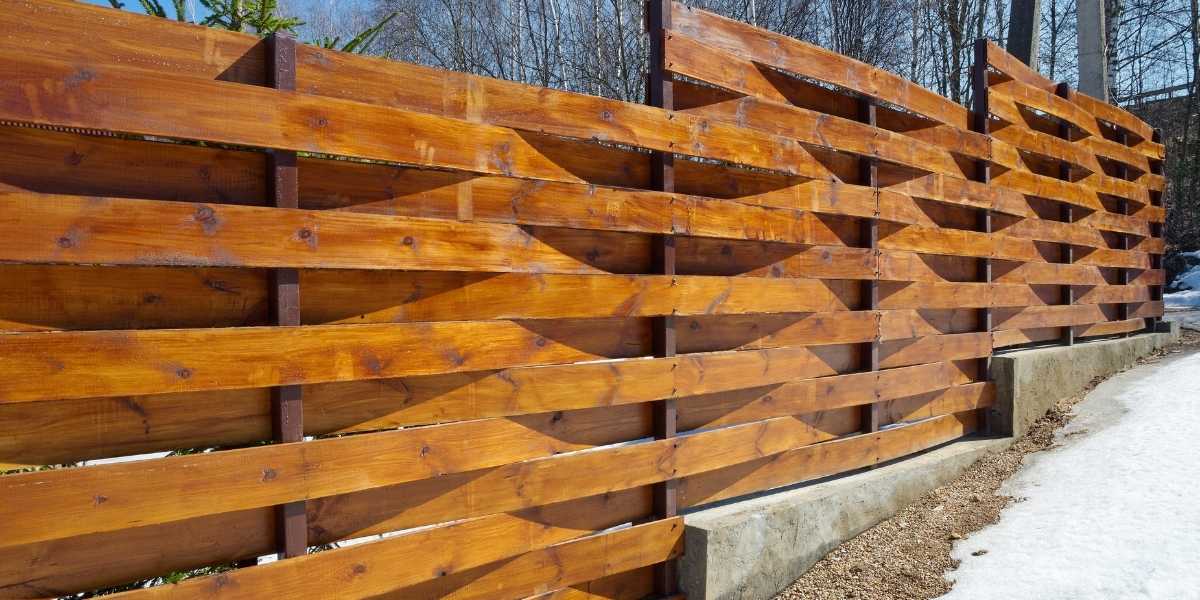
If you live in Fairfax, you already know how unpredictable Northern Virginia weather can be. One week it’s humid and stormy, the next it’s dry and blazing hot. Add in heavy rain, occasional snow, and the region’s clay-heavy soil, and suddenly your fencing material matters a lot more than you might think. Many homeowners invest in fences in Fairfax, VA expecting privacy, security, and curb appeal—only to find themselves dealing with warping boards, peeling paint, or sagging panels just a few years later.
Choosing the right fence isn’t just about how it looks on installation day. It’s about how it performs five, ten, or even twenty years down the line. That’s where Armor Fence comes in. As a trusted local contractor serving Fairfax and surrounding communities, Armor Fence helps homeowners compare wood and vinyl fencing options based on long-term value—not just upfront cost. In this guide, you’ll learn how climate, maintenance, HOA rules, and resale value all impact your decision, and which option truly saves you more over time.
Table of Contents
- How Fairfax’s Climate Impacts Your Fence
- Upfront Costs vs. Long-Term Maintenance
- HOA Rules and Property Value Considerations
- Which Fence Option Is Best for Your Fairfax Home?
- Frequently Asked Questions
How Fairfax’s Climate Impacts Your Fence
Fairfax homeowners face a unique mix of environmental conditions. Summers are hot and humid, winters can bring snow and freezing temperatures, and storms throughout the year expose fences to moisture and wind stress. According to the National Weather Service, Northern Virginia experiences significant seasonal swings that can accelerate material wear and tear. When choosing between wood and vinyl fences in Fairfax, VA, climate resilience is one of the most important long-term cost factors.
Wood fencing has long been popular in Fairfax neighborhoods for its traditional appearance and customization options. However, wood is a natural material that absorbs moisture. In high humidity and after heavy rains, boards can swell. During dry spells, they shrink. Over time, this expansion and contraction may lead to cracking, splitting, or warping. Even pressure-treated lumber requires regular sealing or staining to protect against moisture damage, insects, and rot.
Vinyl fencing, on the other hand, is manufactured to resist moisture and insect damage. It doesn’t absorb water, which makes it less likely to warp or rot during humid summers. Modern vinyl fencing is also engineered to handle temperature fluctuations without significant structural compromise. While extreme cold can make vinyl more brittle, high-quality products installed by experienced professionals are designed to withstand typical Fairfax winters.
So which performs better long-term? From a strictly climate-based perspective, vinyl often requires fewer repairs over time. Wood can last many years when properly maintained, but neglect—even for a season or two—can shorten its lifespan. For homeowners who prefer a low-maintenance solution in a region with variable weather, vinyl may offer stronger durability.
That said, quality installation is just as important as material selection. Proper post depth, drainage planning, and reinforcement techniques make a major difference in fence longevity. Working with an experienced local company like Armor Fence ensures your fence is built to handle Fairfax soil conditions and seasonal weather shifts.
Upfront Costs vs. Long-Term Maintenance
When comparing fences in Fairfax, VA, the initial price tag is often the first concern. Generally speaking, wood fencing has a lower upfront installation cost than vinyl. For budget-conscious homeowners, this makes wood an attractive starting option.
However, long-term savings aren’t determined by installation cost alone.
Wood fencing requires regular maintenance, including staining or sealing every few years to protect against moisture and UV damage. You may also need occasional board replacements, hardware repairs, or post reinforcements. These maintenance costs add up over time—not just financially, but in time and effort.
Vinyl fencing typically has a higher initial investment, but it requires minimal upkeep. There’s no need for painting, staining, or sealing. Routine cleaning with water and mild soap is usually enough to maintain its appearance. Over a 15- to 20-year period, many homeowners find that vinyl’s reduced maintenance expenses offset its higher upfront cost.
For example:
- Wood fence: Lower installation cost + recurring maintenance every 2–3 years
- Vinyl fence: Higher installation cost + minimal maintenance
If you plan to stay in your home long-term, vinyl often proves more cost-effective. If you’re preparing to sell in a few years, a well-maintained wood fence may deliver the aesthetic appeal you want at a lower initial expense.
Additionally, if you’re exploring privacy options specifically, you may benefit from reading a related resource on privacy fence installation in Northern Virginia (internal blog link).
Ultimately, the “cheaper” option depends on how long you plan to live in your home and how much maintenance you’re willing to manage.
HOA Rules and Property Value Considerations
Many Fairfax neighborhoods are governed by homeowners’ associations (HOAs), and fence regulations can significantly influence your decision. HOA guidelines often dictate height, style, color, and even material. Before installing any fence, homeowners should verify community requirements.
The Fairfax County government website also provides guidance on zoning and permitting requirements. Failing to comply with local regulations can result in fines or required removal—an expensive mistake.
Wood fencing is frequently approved in traditional Fairfax communities because it aligns with classic architectural styles. It offers flexibility in design, including picket, split rail, and privacy styles. You can also paint or stain wood to match neighborhood aesthetics.
Vinyl fencing is often allowed but may have color or style restrictions. Most HOAs prefer neutral tones such as white or tan. The advantage of vinyl in HOA communities is its long-term uniform appearance. Because it resists fading and discoloration better than painted wood, it helps maintain neighborhood consistency over time.
From a resale standpoint, both wood and vinyl fences can increase property appeal—especially for buyers with children or pets. However, buyers often appreciate low-maintenance features. A well-installed vinyl fence can be marketed as a long-term upgrade, while a freshly stained wood fence enhances curb appeal in the short term.
Armor Fence understands Fairfax neighborhood standards and works closely with homeowners to ensure compliance. Their experience with local permitting processes reduces delays and helps avoid costly corrections.
Which Fence Option Is Best for Your Fairfax Home?
Choosing between wood and vinyl ultimately depends on your priorities: aesthetics, budget, maintenance tolerance, and how long you plan to stay in your home.
If you value natural appearance and customization, wood may be your preferred option. It blends beautifully with mature trees and historic-style homes common in Fairfax. You can adjust stain colors over time and modify sections if landscaping changes.
If you prioritize long-term durability and minimal maintenance, vinyl may be the better investment. Its resistance to moisture, insects, and rot makes it particularly appealing in Northern Virginia’s climate. For busy homeowners who don’t want recurring upkeep, vinyl provides peace of mind.
Another consideration is installation expertise. Regardless of material, poor installation shortens lifespan. Posts must be properly anchored, aligned, and reinforced to handle wind and soil movement. Armor Fence has years of experience installing fences in Fairfax, VA, ensuring each project is built for longevity.
If you’re unsure which material fits your goals, scheduling a professional consultation can help clarify cost comparisons and HOA considerations. Personalized recommendations based on your property layout and budget often reveal the best long-term value.
Frequently Asked Questions About Fences in Fairfax, VA
How long does a wood fence last in Fairfax, VA?
A properly maintained wood fence can last 10–15 years or more. However, lifespan depends on climate exposure, soil conditions, and regular sealing or staining. Without maintenance, wood may deteriorate faster in Fairfax’s humid environment.
Is vinyl fencing worth the higher upfront cost?
For many homeowners, yes. While vinyl costs more initially, its low maintenance and long lifespan often reduce total ownership expenses over time. It’s especially appealing for long-term homeowners in Northern Virginia.
Do I need a permit to install a fence in Fairfax County?
Permit requirements vary by height and location. Always check Fairfax County guidelines or consult with your fencing contractor to ensure compliance before installation.
Which fence adds more resale value?
Both wood and vinyl can improve resale value. Vinyl often appeals to buyers seeking low maintenance, while wood offers classic curb appeal when properly maintained.
Conclusion
When comparing wood and vinyl fences in Fairfax, VA, the real question isn’t just about installation cost—it’s about long-term value. Fairfax’s climate, HOA regulations, and maintenance demands all play a role in determining which material saves you more over time.
Armor Fence understands the unique challenges Fairfax homeowners face. With professional installation, local expertise, and personalized recommendations, they help ensure your fence delivers durability, beauty, and lasting performance.
Investing in the right fencing material today means fewer repairs, fewer headaches, and stronger curb appeal for years to come.
If you’re considering new fences in Fairfax, VA, don’t make your decision based on upfront cost alone. Let the experts at Armor Fence help you evaluate long-term value, HOA compliance, and durability specific to your property.
Call Armor Fence today at 703-361-1141 to schedule your free consultation. Our experienced team will walk you through wood and vinyl options, provide transparent pricing, and ensure your new fence is built to withstand Northern Virginia’s climate.
Protect your investment, enhance your property, and enjoy peace of mind—starting today.